
A Comprehensive Guide to Oil Free vs Oil Lubricated Air Compressors
When choosing between oil-free and oil-lubricated air compressors, it’s essential to understand their fundamental differences. Oil-free compressors use a special design that eliminates the need for oil, making them simpler and requiring less maintenance. In contrast, oil-lubricated compressors rely on oil to reduce friction and wear, which can lead to longer-lasting performance in heavy-duty applications.
Disclosure: As an Amazon Associate I earn from qualifying purchases.

- FULL SYNTHETIC, INDUSTRIAL-GRADE: Advanced high-temp formula with up to 1000% higher loa…
- ALL-SEASON PERFORMANCE: True multi-viscosity fluid performs in any climate, from -49°F A…
- UNMATCHED LONGEVITY & COMPONENT LIFE: Non-detergent, OEM-recommended formulation deliver…
Each type has its own advantages and disadvantages that can affect your choice based on your specific needs. For example, oil-free models are often quieter and lighter, making them suitable for home use, while oil-lubricated compressors are preferred in industrial settings due to their durability and efficiency under heavy loads.
Why This Matters
Understanding the differences between oil-free and oil-lubricated air compressors is crucial for selecting the right model for your tasks. The choice can impact not only performance but also maintenance costs and longevity. Consumers often find themselves at a crossroads when deciding which type best suits their requirements, whether for personal projects or professional use.
Key Benefits
Oil-free compressors offer several key benefits, including lower maintenance needs since there’s no oil to change or manage. They are also generally lighter and more portable, making them ideal for DIY projects and occasional use. Furthermore, they operate at lower noise levels, which is beneficial in residential areas.
On the other hand, oil-lubricated compressors are known for their durability and efficiency, particularly in demanding applications. They provide better cooling and can run for longer periods without overheating. The use of oil helps to minimize wear on the internal components, resulting in a longer lifespan and reduced need for repairs.
Common Drawbacks & Limitations
- FULL SYNTHETIC, INDUSTRIAL-GRADE: Advanced high-temp formula with up to 1000% higher loa…
- ALL-SEASON PERFORMANCE: True multi-viscosity fluid performs in any climate, from -49°F A…
- UNMATCHED LONGEVITY & COMPONENT LIFE: Non-detergent, OEM-recommended formulation deliver…
While oil-free compressors are convenient, they may not be suitable for heavy-duty applications. Their components can wear out faster under continuous use, and they may not deliver the same power levels as oil-lubricated models. Additionally, they can struggle in high-temperature environments.
Conversely, oil-lubricated compressors require regular oil changes and maintenance, which can be time-consuming. They are also generally heavier and less portable than their oil-free counterparts. The need for oil means there can be potential for leaks and mess, which may not be ideal for all users.
What to Look For (Buyer’s Checklist)
When selecting an air compressor, consider the following factors:
- Application: Determine whether you need it for light-duty tasks or heavy industrial work.
- Noise Level: Check specifications for decibel ratings, especially if using in residential areas.
- Maintenance Requirements: Consider how much time you are willing to spend on maintenance.
- Portability: Look for weight and design if you need to move the compressor frequently.
- Durability: Assess the longevity and reliability of the compressor based on user reviews.
How to Choose for Your Situation
Your choice between oil-free and oil-lubricated compressors should be guided by your specific needs. If you are a casual user or need a compressor for small tasks like inflating tires or powering air tools at home, an oil-free model may be the best fit. They are easy to use and require minimal upkeep.
For professionals or those in need of a compressor for extensive projects, an oil-lubricated compressor is likely the better option. These compressors can handle prolonged use and provide consistent power, making them suitable for more demanding applications.
Care, Safety, and Longevity Tips
To ensure your air compressor lasts as long as possible, regular maintenance is key. For oil-lubricated models, be diligent about changing the oil according to the manufacturer’s recommendations. Clean or replace air filters regularly to maintain efficiency.
For oil-free compressors, keep them free from dust and debris to prevent overheating. Always follow safety protocols, such as using the compressor in a well-ventilated area and wearing appropriate personal protective equipment when operating power tools connected to the compressor.
Recommended Picks
For those considering oil-lubricated compressors, options like Milton 1002 High Performance Conventional Air Compressor Oil are popular for their reliability and effectiveness in protecting against wear. The TRIAX Kompressor ISO 100 SAE 30 is another excellent choice, known for its advanced formula that enhances longevity and performance under high temperatures.
If you’re leaning towards oil-free models, look for compressors that are lightweight and portable, suitable for home projects. Models that emphasize quiet operation and easy maintenance are particularly favorable for residential users.
FAQ
- What is the main difference between oil-free and oil-lubricated air compressors? Oil-free compressors do not require oil for operation, whereas oil-lubricated compressors use oil to reduce friction and wear.
- Are oil-free compressors less durable? Generally, yes. Oil-free compressors may wear out faster under heavy use compared to oil-lubricated models.
- Do oil-lubricated compressors require more maintenance? Yes, they require regular oil changes and maintenance to ensure optimal performance.
- Can I use oil-lubricated compressors for light-duty tasks? Yes, but they might be overkill for small tasks where an oil-free compressor would suffice.
- Are there any specific safety concerns with air compressors? Always operate compressors in well-ventilated areas and follow safety guidelines to prevent accidents.

- For use in all oil-lubricated reciprocating air compressors
- Provides exceptional wear, oxidation, and corrosion protection
- Prevents the formation of sludge and carbon deposits
Conclusion
Choosing between oil-free and oil-lubricated air compressors ultimately depends on your specific needs and usage scenarios. Oil-free models offer convenience and ease of use for light-duty tasks, while oil-lubricated compressors provide durability and efficiency for demanding applications. Understanding the benefits and limitations of each type can help you make an informed decision that aligns with your requirements.
Popular Picks to Compare
- FULL SYNTHETIC, INDUSTRIAL-GRADE: Advanced high-temp formula with up to 1000% higher loa…
- ALL-SEASON PERFORMANCE: True multi-viscosity fluid performs in any climate, from -49°F A…
- UNMATCHED LONGEVITY & COMPONENT LIFE: Non-detergent, OEM-recommended formulation deliver…

- For use in all oil-lubricated reciprocating air compressors
- Provides exceptional wear, oxidation, and corrosion protection
- Prevents the formation of sludge and carbon deposits
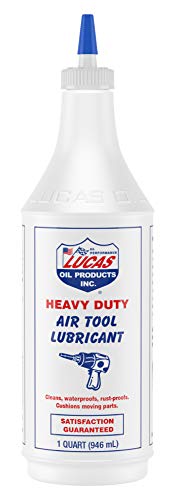
- Extends tool life
- Protects under extreme operating temperatures
- Disperses water

- Milton 1002 Compressor Oil, 1 Gallon
- Item Package Dimension: 11.80L x 7.63W x 3.53H inches
- Item Package Weight – 7.31 Pounds

- 24 oz bottle with special pouring tip and cap

