
Air Compressor Maintenance
Keep your compressor running smoothly.
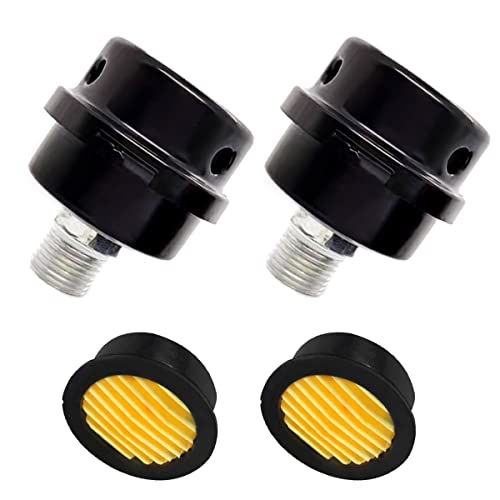
This hub focuses on Air Compressor Maintenance—what matters, what fits, and what to skip.
Proper maintenance of your air compressor is essential for its longevity and performance. Regular checks can prevent costly repairs and ensure your tools work efficiently. This guide will help you understand the basics of air compressor care, so you can enjoy hassle-free operation.
From checking oil levels to cleaning filters, maintaining your compressor is straightforward. Let’s dive into the essential tasks you need to keep your air compressor in top shape.
What you’ll get here
- Easy maintenance tips
- Common mistakes to avoid
- Pro tips for longevity
How to start (simple plan)
Quick plan for Air Compressor Maintenance: pick the right parts, confirm compatibility, then install and test safely.
Start with a simple maintenance plan. Check the oil level and change it every 50 hours of use. Clean or replace the air filter regularly to ensure optimal airflow. Inspect hoses and connections for leaks, which can waste air and reduce efficiency. A common mistake is neglecting to drain the tank. Water buildup can cause rust and damage. Always drain the tank after each use to prevent this issue. Keeping a maintenance log can also help track your tasks and schedule future checks.
Choose Your Next Step
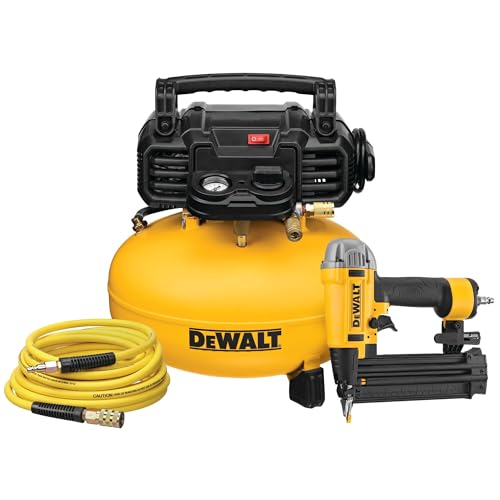
Best Air Compressors
Find top-rated models for your needs.
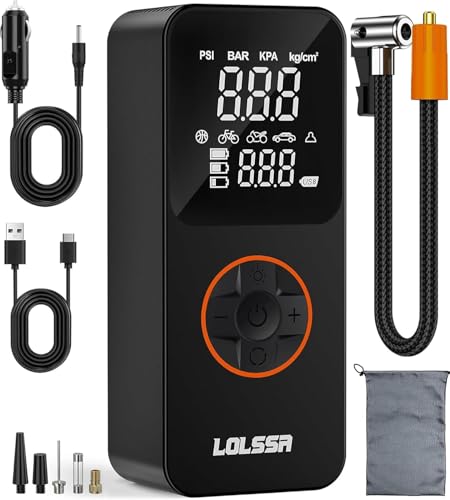
Air Compressor Types
Learn about different compressor types.

Air Compressor Use Cases
Discover how to use your compressor.
Pick the Right Path Fast
- If you want: Find top-rated models for your needs. Start with: Best Air Compressors →
- If you want: Learn about different compressor types. Start with: Air Compressor Types →
- If you want: Discover how to use your compressor. Start with: Air Compressor Use Cases →
Latest Guides
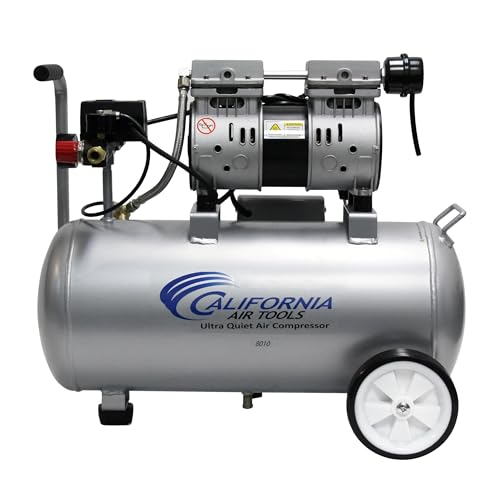
Tips for Making Your Air Compressor Operate More Quietly
Making your air compressor quieter can significantly enhance your workspace, especially in noise-sensitive environments. This guide will help you implement various strategies to reduce…
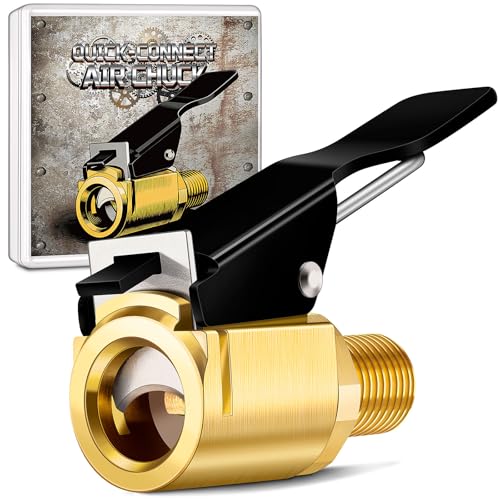
Step-by-Step Guide to Turn On an Air Compressor
Turning on an air compressor is a straightforward process that can enhance your productivity in various tasks, from inflating tires to powering pneumatic tools.…
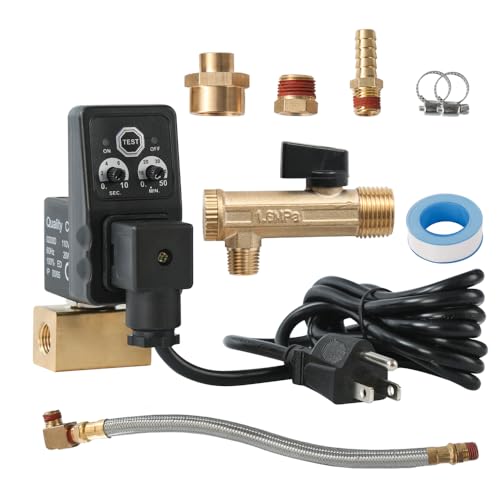
Step-by-Step Guide to Properly Drain an Air Compressor
Draining your air compressor is essential for maintaining its efficiency and prolonging its lifespan. This process removes moisture that can lead to rust and…
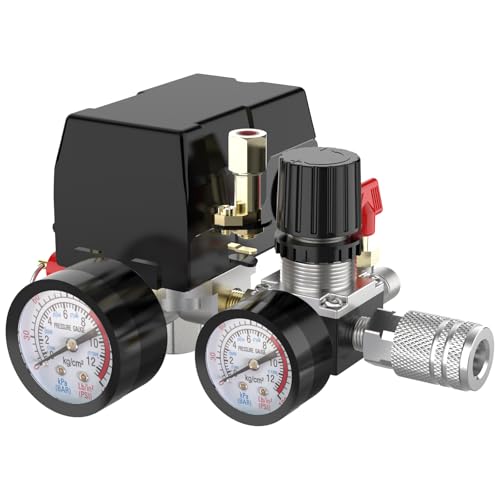
Adjusting Your Air Compressor Pressure Switch Effectively
Adjusting the air compressor pressure switch is essential for maintaining optimal performance and ensuring the longevity of your equipment. In this guide, you will…
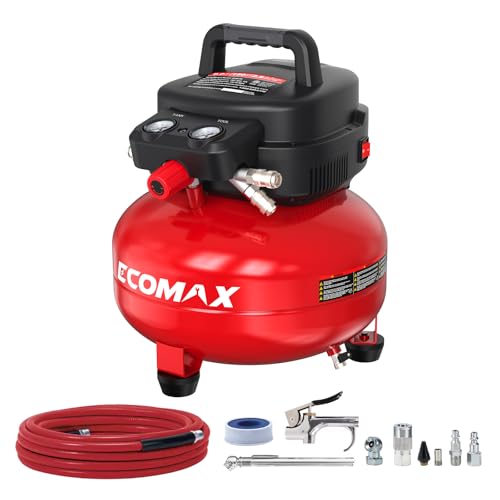
Troubleshooting Air Compressor Pressure Issues
Air compressors are essential tools for various tasks, from inflating tires to powering pneumatic tools. When your air compressor fails to build pressure, it…
Essential Guide on How to Use an Air Compressor Effectively
Using an air compressor can significantly enhance your DIY projects and tasks involving pneumatic tools. This guide will walk you through the process of…

Understanding the Mechanics of Air Compressors
An air compressor is a versatile tool that converts power into potential energy stored in pressurized air. It works by drawing in air from…
How We Choose & Recommend
Short, practical guidance first—then product picks when you are ready.
- We compare features and real-world use cases for Air Compressor Maintenance.
- We scan user feedback for patterns (not one-off opinions).
- We call out trade-offs so you can pick confidently.
FAQ
How do I set up my air compressor?
To set up your air compressor, first choose a well-ventilated area. Connect the air hose to the compressor's outlet and ensure it's tightly secured. Next, plug in the power cord and turn on the compressor. Adjust the pressure regulator to the desired setting for your tools, typically between 90-120 PSI for most applications. Always consult your compressor's manual for specific setup instructions.
What gear do I need for maintenance?
For basic maintenance, you will need a few essential tools. A wrench is necessary for checking and changing the oil. A clean cloth helps wipe down surfaces and remove dust. An air filter cleaning kit can assist in maintaining the filter. Additionally, a pressure gauge is useful for monitoring the output pressure. Having these tools on hand makes maintenance easier.
What knots should I use with air hoses?
When using air hoses, avoid knots that can restrict airflow. Instead, use a simple loop knot to secure hoses when storing them. This prevents tangles and maintains airflow. Always ensure the knots are loose enough to allow for quick release when needed. A well-organized hose setup will enhance your efficiency during projects.
How can I avoid tangles in my air hoses?
To avoid tangles, always coil your air hoses properly after use. Use a hose reel if possible, as it keeps the hose organized and tangle-free. When coiling, make sure not to twist the hose excessively. Additionally, store hoses in a designated area away from heavy equipment or foot traffic to prevent accidental tangling.
What should I do if my compressor won't start?
If your compressor won't start, first check the power source. Ensure it's plugged in and the outlet is functional. Next, inspect the circuit breaker; it may have tripped. If the compressor has an overload protector, it might need to cool down before restarting. Lastly, check for any loose connections or damaged wires that could prevent operation.
How should I store my air compressor?
Store your air compressor in a cool, dry place to prevent rust. Ensure it is turned off and unplugged before storage. If possible, cover it with a protective tarp to keep dust away. Additionally, drain the tank to remove moisture, which can lead to corrosion. Proper storage will extend the life of your compressor.
What maintenance tasks should I perform regularly?
Regular maintenance tasks include checking the oil level and changing it every 50 hours of use. Clean or replace the air filter monthly to maintain airflow. Inspect hoses and connections for leaks during each use. Additionally, drain the tank after every use to prevent water buildup. Keeping a maintenance schedule will help ensure your compressor runs smoothly.