
Understanding Tank Sizes
Find the right air compressor tank size for you.
Choosing the right tank size for your air compressor is crucial for getting the best performance. Whether you're a homeowner tackling DIY projects or a car owner maintaining your vehicle, understanding tank sizes helps you select the right compressor for your needs. This guide will walk you through everything you need to know about air compressor tank sizes, ensuring you make an informed decision.
Key highlights
- Learn tank size basics
- Match size to your tasks
- Avoid common sizing mistakes
- Discover optimal capacity
- Find your perfect fit
How to choose (and common mistakes)
When selecting an air compressor tank size, consider your specific tasks. Smaller tanks (2-6 gallons) are great for light tasks like inflating tires, while larger tanks (20+ gallons) are better for heavy-duty work. A common mistake is choosing a tank that's too small, leading to frequent refills and interruptions. Also, don't overlook the CFM (cubic feet per minute) rating, which indicates how quickly air is delivered. Ensure your tank size matches your tool's requirements for optimal performance.
Related Topics
Cordless & 12V
Latest Guides

Best Small Portable Air Compressors: 9 Top Picks
Discover the best small portable air compressors that cater to various needs. These models are designed for convenience and efficiency, making them ideal for…
VIVOSUN 5-Pack 20 Gallon Plant Grow Bags vs Klutch 29-Gallon Air Compre…
The VIVOSUN 5-Pack 20 Gallon Plant Grow Bags and Klutch 29-Gallon Air Compressor serve very different purposes, catering to gardening enthusiasts and DIYers alike.…

Best Gas Powered Air Compressors: 9 Top Picks
Discover the best gas powered air compressors that cater to various needs. These selections highlight efficiency and reliability for both professionals and DIY enthusiasts.…
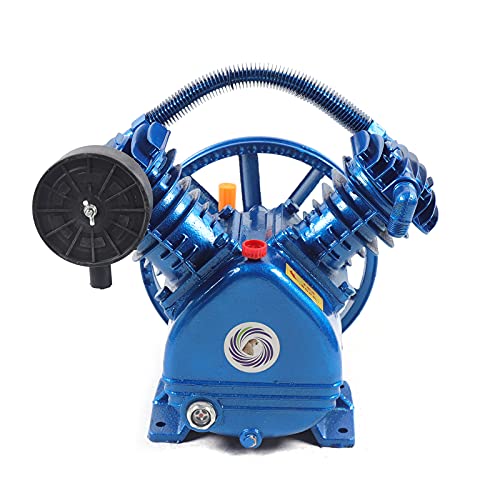
Understanding the Functionality of a 2 Stage Air Compressor
A 2 stage air compressor is a type of compressor that uses two cylinders to compress air in two distinct phases. In the first…

Best Oil Lubricated Air Compressors: Top Picks for 2026
Oil lubricated air compressors are known for their durability and efficiency. They provide consistent performance for various applications, making them a popular choice among…

Best Pancake Air Compressors: 9 Quiet Picks
Pancake air compressors are known for their portability and efficiency. They are ideal for a variety of tasks, from inflating tires to powering tools.…

Best 30 Gallon Air Compressors: 9 Top Picks
Discover the best 30 gallon air compressors available today. These models are designed to meet various needs, providing reliability and efficiency for your projects.…
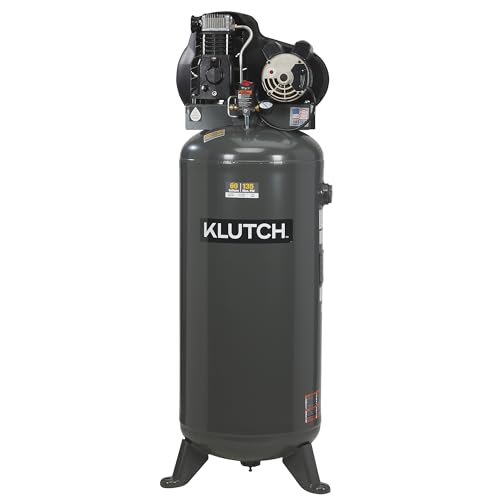
Best Stationary Air Compressors: 9 High-Potency Picks
Discover the best stationary air compressors available today. Our curated list highlights high-potency options that cater to various needs and preferences. Scroll down to…

Best Cordless Tire Inflators: 9 Top Picks for 2026
Cordless tire inflators offer convenience and portability for on-the-go inflation needs. Whether you're at home or on a road trip, these devices ensure your…
How We Choose & Recommend
Short, practical guidance first—then product picks when you are ready.
- We compare features and real-world use cases for Tank Size Guide.
- We scan user feedback for patterns (not one-off opinions).
- We call out trade-offs so you can pick confidently.
FAQ
What tank size is best for home use?
For home projects, a tank size of 6 to 10 gallons is often ideal. This size provides enough air for tasks like inflating tires or powering small tools without being overly bulky. If you plan on using multiple tools at once, consider a larger tank. Always check the CFM requirements of your tools to ensure compatibility. Next, list your most common tasks to guide your choice.
How does tank size affect performance?
Tank size directly influences how long you can run your tools before needing to refill. A larger tank can supply air for longer periods, making it suitable for continuous use. Smaller tanks may require frequent cycling, which can interrupt your work. Always consider the type of work you'll be doing to select an appropriate size. Remember to check the PSI rating as well for optimal performance.
Can I use a small tank for larger tasks?
Using a small tank for larger tasks can lead to inefficiency. Small tanks may run out of air quickly, forcing you to stop and wait for the compressor to refill. This can be frustrating and time-consuming, especially for extended projects. If you frequently tackle bigger jobs, investing in a larger tank will save you time and hassle. Evaluate your typical tasks to avoid this mistake.
What is the best way to maintain my compressor?
Regular maintenance is key to extending your compressor’s lifespan. Ensure you drain the tank after each use to prevent rust and corrosion. Additionally, check and replace the air filter regularly to maintain airflow. Keeping the compressor clean and lubricated will also improve performance. Make a maintenance schedule to keep your compressor in top shape.
How do I know if my tank is too big?
If your compressor cycles on and off frequently, it might indicate that your tank is too large for your needs. A tank that is too big can lead to inefficiency and wasted energy. Additionally, if you find it cumbersome to move or store, it may not be the right fit. Assess your typical usage to determine if a smaller tank would suit you better.