How to Adjust Air Compressor Pressure Switch for Optimal Performance
Adjusting the air compressor pressure switch is essential for maintaining optimal performance and ensuring the longevity of your equipment. In this guide, you will learn how to adjust the pressure switch effectively, allowing you to set the correct cut-in and cut-out pressures for your air compressor. Before proceeding, please keep safety in mind; always disconnect power from the compressor and release any stored air pressure before making adjustments.
Disclosure: As an Amazon Associate I earn from qualifying purchases.
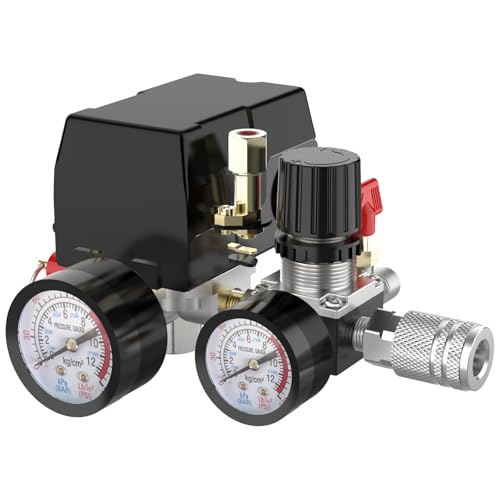
- 【Easy to operate】The air compressor pressure switch control valve has a red knob on top …
- 【user-friendly】The pressure gauge features a clear and easy-to-read display, providing a…
- 【High quality materials】The pressure switch is made of high-quality aluminum alloy and p…
What You’ll Need
To adjust your air compressor pressure switch, gather the following tools and materials:
- Wrench or socket set
- Flathead screwdriver
- Pressure gauge (if not already integrated into the switch)
- Thread seal tape
- Safety glasses and gloves
Step-by-Step
- Prepare the Compressor: Ensure the air compressor is turned off and unplugged. Release any stored air pressure by opening the drain valve at the bottom of the tank.
- Locate the Pressure Switch: Find the pressure switch on your air compressor. This is typically near the motor and will have a gauge attached to it.
- Check Current Settings: Use a pressure gauge to check the current cut-in and cut-out pressures. Take note of these settings for comparison after adjustments.
- Adjust the Cut-In Pressure: Using a flathead screwdriver, turn the adjustment screw for the cut-in pressure. Turning it clockwise generally increases the cut-in pressure, while counterclockwise decreases it.
- Adjust the Cut-Out Pressure: Locate the second adjustment screw for cut-out pressure. Adjust it in the same manner as the cut-in pressure to set the desired cut-out level.
- Recheck Pressure Settings: After making adjustments, plug the compressor back in and allow it to run. Monitor the pressure gauge to ensure the compressor engages and disengages at the new settings.
- Make Final Adjustments: If necessary, repeat the adjustment steps to fine-tune the pressures until you achieve the desired performance.
- Secure Everything: Once you are satisfied with the settings, ensure all screws are tight, and reattach any covers if applicable. Remember to use thread seal tape on any fittings you may have adjusted.
Pro Tips for Better Results
- 【Easy to operate】The air compressor pressure switch control valve has a red knob on top …
- 【user-friendly】The pressure gauge features a clear and easy-to-read display, providing a…
- 【High quality materials】The pressure switch is made of high-quality aluminum alloy and p…
For optimal results when adjusting your air compressor pressure switch, consider these tips:
- Always wear safety glasses and gloves to protect yourself from accidental pressure release.
- Make small adjustments to the screws and test the compressor to avoid overshooting your desired settings.
- Keep a log of your settings and any adjustments made for future reference.
Common Mistakes
Avoid these common mistakes when adjusting your air compressor pressure switch:
- Not releasing air pressure before making adjustments can lead to injury.
- Making drastic adjustments can result in improper operation of the compressor.
- Neglecting to check the pressure gauge after adjustments can lead to incorrect settings.
Troubleshooting
If you encounter issues after adjusting your pressure switch, consider the following troubleshooting steps:
- If the compressor doesn’t turn on, ensure the power supply is connected and check for tripped circuit breakers.
- If the compressor turns on but does not reach the desired pressure, verify that the adjustment screws are set correctly.
- Listen for unusual noises; if the compressor runs continuously without shutting off, double-check the cut-out setting.
Maintenance / Next-Time Checklist
To keep your air compressor functioning well, follow this maintenance checklist:
- Regularly inspect the pressure switch for signs of wear or damage.
- Check and clean or replace the air filter as needed.
- Drain the air tank regularly to prevent moisture buildup.
- Keep the compressor area clean and free of debris.
Recommended Products & Tools
Using quality tools and products can make the adjustment process smoother. The Air Compressor Pressure Switch Control Valve, cnaodun 90-120 PSI, features an easy-to-operate red knob for adjustments and a clear pressure gauge for monitoring. Its durable construction ensures longevity, making it a reliable choice for users. Additionally, having a quality wrench set will provide you with the necessary leverage and grip to make adjustments easily.
FAQ
1. What is a pressure switch?
A pressure switch is a device that controls the operation of an air compressor by turning it on or off based on preset pressure levels.
2. How often should I adjust the pressure switch?
Adjustments should be made as needed, particularly if you notice changes in compressor performance or after replacing the pressure switch.
3. Can I adjust the pressure switch while the compressor is running?
No, always turn off and unplug the compressor before making any adjustments to ensure safety.
4. What happens if I set the pressure too high?
Setting the pressure too high can lead to compressor damage, potential safety hazards, and operational inefficiencies.
5. Is it necessary to use thread seal tape?
Yes, thread seal tape helps prevent air leaks at the connections, ensuring optimal performance and safety.
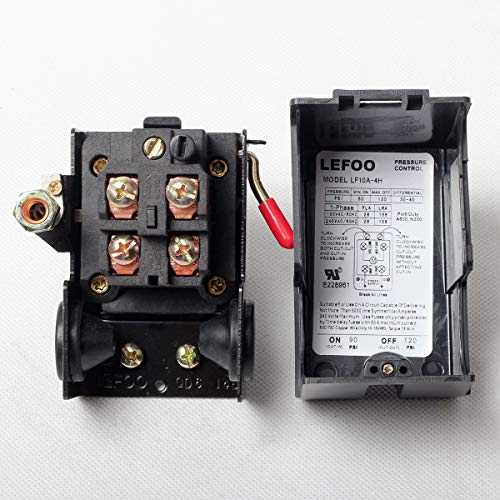
- Auto control. Cut off at 120PSI, Turn on at 90PSI. Port Size of the Switch: 1/4" NPT, 4 …
- ADJUSTABLE AIR OUT: air pressure from one of the brass coupler is adjustable
- Heavy duty Air Compressor Pressure Switch + Valve Gauges Regulator
Wrap-Up
Adjusting your air compressor pressure switch is a straightforward process that can significantly enhance your compressor’s efficiency and lifespan. By following the steps outlined in this guide and keeping safety in mind, you can ensure your compressor operates effectively for all your air needs. Regular maintenance and monitoring of the pressure settings will keep your compressor running smoothly for years to come.
Recommended Products & Tools
- 【Easy to operate】The air compressor pressure switch control valve has a red knob on top …
- 【user-friendly】The pressure gauge features a clear and easy-to-read display, providing a…
- 【High quality materials】The pressure switch is made of high-quality aluminum alloy and p…
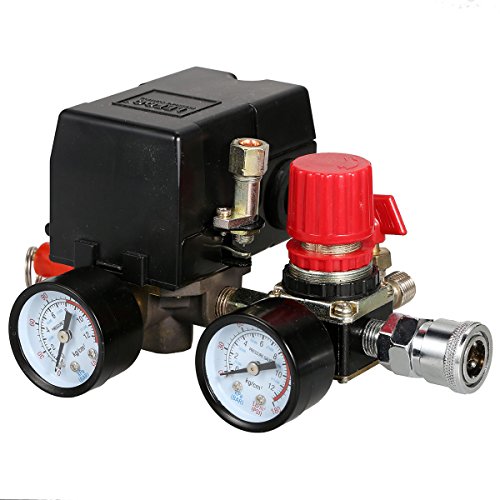
- Auto control. Cut off at 120PSI, Turn on at 90PSI. Port Size of the Switch: 1/4" NPT, 4 …
- ADJUSTABLE AIR OUT: air pressure from one of the brass coupler is adjustable
- Heavy duty Air Compressor Pressure Switch + Valve Gauges Regulator

- 【Widely Used】This universal pressure switch is suitable for 90-125 Psi 26A air compressor.
- 【user-friendly】The handle simplifies the installation of the unloading valve and pressur…
- 【High quality materials】The pressure switch is made of high-quality aluminum alloy and p…

- 1/8-27 NPT Male Thread: Easy connection air tank, train horn pressure switch, air ride p…
- Turn on pressure below 70psi, Turn off reach 100psi; 70 psi pressure switch,100psi press…
- DC pressure switch:24v pressure switch,12v pressure switch, AC 110V 120V 240V air pressu…

- Air Compressor Pressure Switch 135-175 PSI
- single port pressure control valve
- Air pressure switch with unloader & on/off lever

- Size: | 1/4-18 NPT Male Thread | Tank Mount Type |
- Package Included: | 1 X Horn Compressor Air Pressure Switch |
- Working Condition: | AC 110V / 120V / 240V or DC 12V / 24V (Maximum Current Supported: 2…