How to turn on an air compressor safely and effectively
Turning on an air compressor is a straightforward process that can enhance your productivity in various tasks, from inflating tires to powering pneumatic tools. This guide will walk you through the steps to safely and effectively turn on your air compressor. Before proceeding, it’s crucial to note that safety is paramount. Always wear appropriate safety gear, such as goggles and gloves, and ensure the compressor is in a well-ventilated area.
Disclosure: As an Amazon Associate I earn from qualifying purchases.

- SEAMLESS QUICK-CONNECT DESIGN: The LUMITECO quick-connect adapter eliminates the frustra…
- UNIVERSAL COMPATIBILITY: Designed with a speed clip for easy attachment to a wide range …
- DURABLE AND PORTABLE: This premium tire air chuck is made from heavy-duty solid brass. E…
What You’ll Need
Before you start, gather the following items:
- Air compressor
- Power source (outlet or generator)
- Air hose
- Quick-connect air chuck or adapter (like the LUMITECO Premium Quick-Connect Air Chuck)
- Safety goggles and gloves
Step-by-Step
- Inspect the Air Compressor: Before turning on the compressor, ensure it is in good condition. Check for any visible damages, leaks, or loose connections.
- Check the Oil Level: If your air compressor is oil-lubricated, check the oil level. Add oil if necessary to ensure the compressor runs smoothly.
- Connect the Air Hose: Attach your air hose to the compressor. Use a quick-connect air chuck, like the LUMITECO model, to make this process seamless. Ensure it is securely connected to avoid air leaks.
- Set the Pressure Regulator: Adjust the pressure regulator to the desired PSI for your specific task. This will ensure that you have the right amount of air pressure for your tools or tires.
- Plug in the Compressor: Connect the compressor to a suitable power source. Make sure the power switch is in the “off” position before plugging it in.
- Turn on the Compressor: Flip the power switch to the “on” position. You should hear the motor start running, and the pressure gauge will begin to rise.
- Monitor the Pressure: Watch the pressure gauge as the compressor fills the tank. Once it reaches the desired level, the compressor will automatically shut off.
- Use the Compressor: Once the compressor is running, you can use it for your intended purpose, whether inflating tires, using pneumatic tools, or other air-powered applications.
Pro Tips for Better Results
- SEAMLESS QUICK-CONNECT DESIGN: The LUMITECO quick-connect adapter eliminates the frustra…
- UNIVERSAL COMPATIBILITY: Designed with a speed clip for easy attachment to a wide range …
- DURABLE AND PORTABLE: This premium tire air chuck is made from heavy-duty solid brass. E…
To maximize the efficiency of your air compressor:
- Always use the appropriate air pressure for your specific tools or tasks.
- Regularly check and replace air filters to maintain optimal airflow.
- Keep the compressor clean and free from dust and debris to prolong its lifespan.
- Consider using an air pressure gauge for accurate readings when inflating tires or operating tools.
Common Mistakes
Be aware of these common mistakes when turning on an air compressor:
- Not checking for leaks before use, which can lead to inefficient operation.
- Overloading the compressor by exceeding the recommended pressure settings.
- Neglecting to maintain the compressor, leading to potential breakdowns.
- Failing to secure connections properly, resulting in air loss and ineffective inflation.
Troubleshooting
If you encounter issues with your air compressor, consider these troubleshooting steps:
- If the compressor won’t start, check the power source and ensure the switch is in the “on” position.
- If the compressor is running but not building pressure, inspect for leaks or a faulty pressure switch.
- If you hear unusual noises, turn off the compressor immediately and check for loose or damaged parts.
Maintenance / Next-Time Checklist
To keep your air compressor in top condition, follow this maintenance checklist:
- Check and change the oil regularly if applicable.
- Inspect and clean the air filter to prevent clogs.
- Drain the moisture from the tank to prevent rust.
- Store the compressor in a dry, clean area when not in use.
Recommended Products & Tools
For optimal performance, consider the following products:
- LUMITECO Premium Quick-Connect Air Chuck: This adapter simplifies the process of attaching and detaching hoses, ensuring a leak-proof connection with tire valves.
- AZUNO Digital Tire Inflator: This tool provides accurate pressure readings and is easy to use, making it perfect for tire inflation.
- Harrier Hardware 11-Piece Air Gun Compressor Starter Kit: This comprehensive kit includes various fittings and tools that enhance the versatility of your air compressor.
FAQ
1. Can I use my air compressor for multiple tasks?
Yes, air compressors can be used for various applications, including inflating tires, powering pneumatic tools, and painting.
2. What should I do if my air compressor is not building pressure?
Check for leaks, ensure the pressure switch is working, and inspect the air filter for clogs.
3. How often should I maintain my air compressor?
Regular maintenance should be performed every few months, depending on usage. Check oil levels, filters, and moisture levels regularly.
4. Is it safe to leave my air compressor running unattended?
It is not recommended to leave an air compressor running unattended, as it can overheat or become a fire hazard.
5. Can I use an extension cord with my air compressor?
It is best to avoid using extension cords, but if necessary, use a heavy-duty cord that can handle the compressor’s power requirements.
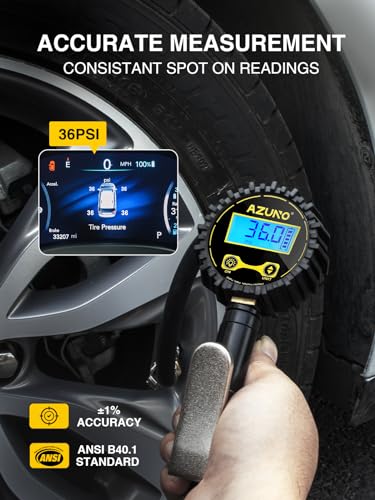
- 🚕【Accurate Digital Tire Gauge】The digital pressure gauge always returns a stable reading…
- 🚖【Easy to Use】Features for single handed operation & smooth transition between inflation…
- 🚗【Rugged Engineering for Safety】Built for all-day performance in the shop or home garage…
Wrap-Up
Turning on an air compressor is a simple yet essential skill for various tasks. By following these steps and tips, you can ensure safe and effective operation. Always prioritize safety and maintenance to extend the life of your compressor and achieve optimal performance. With the right tools and knowledge, you can tackle any project with confidence.
Recommended Products & Tools
- SEAMLESS QUICK-CONNECT DESIGN: The LUMITECO quick-connect adapter eliminates the frustra…
- UNIVERSAL COMPATIBILITY: Designed with a speed clip for easy attachment to a wide range …
- DURABLE AND PORTABLE: This premium tire air chuck is made from heavy-duty solid brass. E…

- 🚕【Accurate Digital Tire Gauge】The digital pressure gauge always returns a stable reading…
- 🚖【Easy to Use】Features for single handed operation & smooth transition between inflation…
- 🚗【Rugged Engineering for Safety】Built for all-day performance in the shop or home garage…

- Please Note Before You Buy This:this is only an inflator hose adapter, was designed to c…
- Premium Tire Inflator Hose Adapter, designed for tire inflator hose converting, easily c…
- Excellent tight seal lock-on air chuck, make sure no annoying air leaking. High quality …

- Blowout plug adapter fitting to easily winterize underground irrigation sprinkler system…
- Its short and stubby design allows access to tight spaces. Quick-connect attaches to air…
- For your health and safety, this sprinkler winterizer is made of lead-free brass which c…
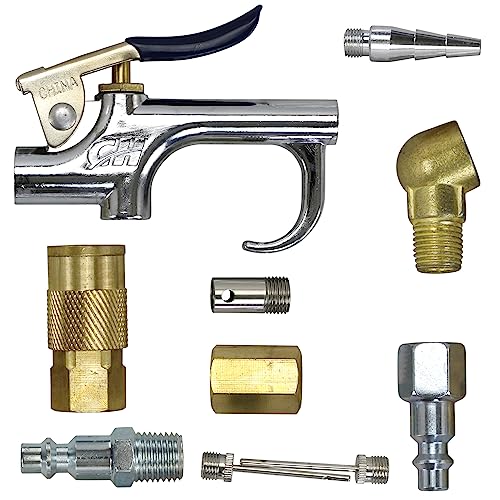
- Ideal Starter Piece – This Air gun for compressor effortlessly fits any standard NPT hos…
- Versatile Package – Includes a tapered inflator, inflation needle, safety nozzle, 1/4-in…
- Hassle-Free Storage – Packaged in an easy-to-use plastic storage box, the Air gun for co…

- Compatible with the most common used air compressor quick-connect(1/4" Industrial Interc…
- Blowout plug adapter fitting to easily winterize underground irrigation sprinkler system…
- Winterize blow out plug is used to protect your water lines in freezing days by using ai…